

What You’ll Learn in This Pennsylvania Personal Injury Lawsuit Guide
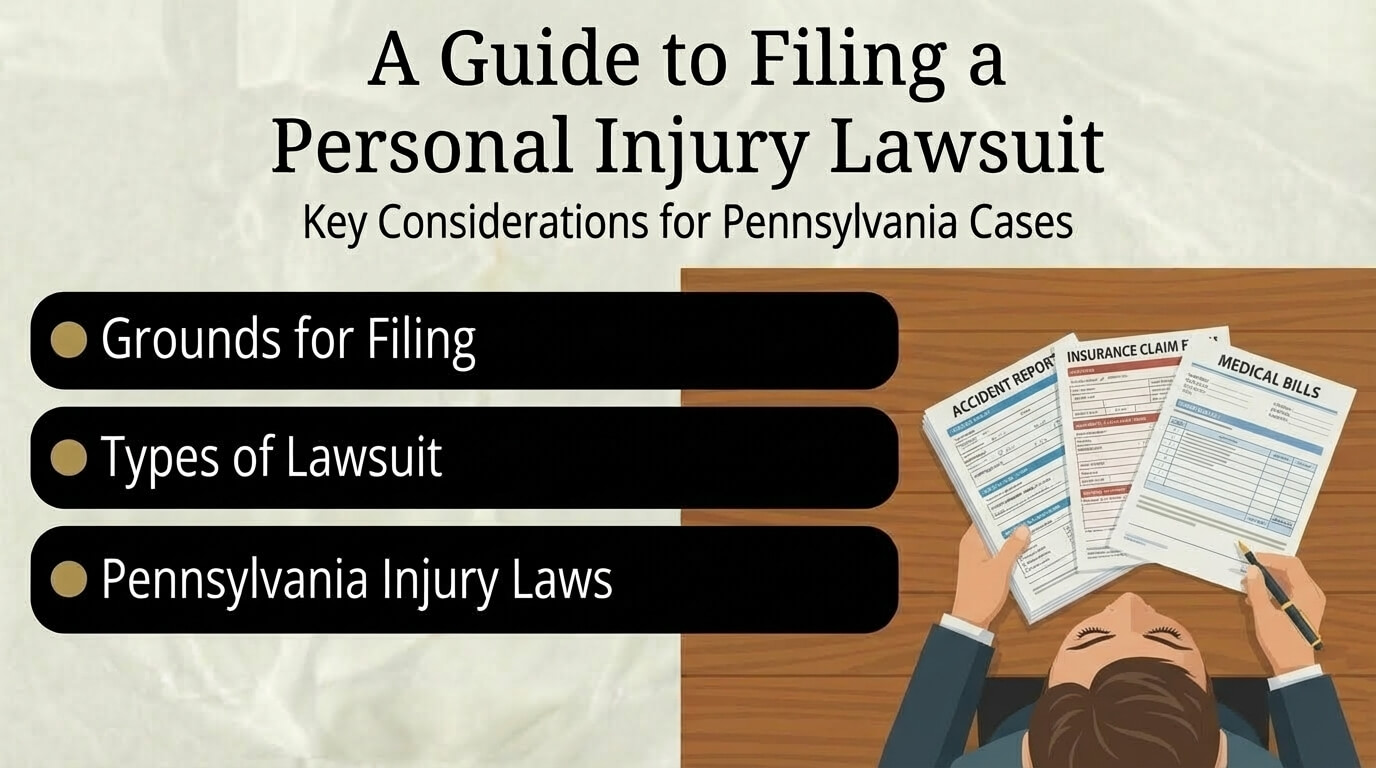
- The 4 Grounds for a Claim: Discover the essential legal elements required (Duty, Breach, Proximate Cause, and Damages) to warrant a personal injury claim in PA.
- 5 Critical Steps to Filing: A complete walkthrough of the lawsuit process, from properly documenting your injuries to taking your case to trial.
- How Fault Impacts Compensation: Learn how Pennsylvania’s comparative negligence laws work and how your percentage of fault affects your final settlement.
- Answers to FAQs: Direct answers to the most common questions regarding lawyer costs, statute of limitations, demand letters, and how medical bills are paid while you wait.
When you or a loved one are injured in an accident, one of the first questions you likely ask is “can I file a personal injury lawsuit against the at-fault party?”. Jeffrey Penneys has helped thousands of Pennsylvania families throughout the injury lawsuit process over his 30 years in the industry. He has won over $100 million in settlements and judgements knows the filing process for the Pennsylvania courts inside and out. This guide explains how to file a Pennsylvania injury lawsuit and addresses common questions injured parties might ask during the filing process.
What Are the Grounds for Filing an Injury Lawsuit in Pennsylvania?
When speaking with a personal injury lawyer, you’ll explore the grounds for filing an injury lawsuit in Pennsylvania. There are four elements your case must include to warrant a personal injury claim:
- Duty
Duty refers to the duty of care someone in society has towards you. For example, car drivers have a duty of care to drive at a safe speed given the road conditions.
- Beach
Breach refers to the failure of the person to meet their duty of care. For example, a car driver was speeding on slippery roads.
- Proximate Cause
Proximate cause refers to the connection between the breach in the duty of care and your damages. For example, a speeding driver caused a car accident.
- Damages
Damages refer to the harm from the incident and generally refer to compensable damages such as economic losses, including medical bills and lost income, and non-economic losses, such as pain and suffering.
Steps for Filing a Personal Injury Lawsuit in Pennsylvania
Step 1: Documenting Your Injuries
The first step in filing a personal injury claim is to gather all the documentation proving your injuries. Call your doctor and request copies of their post-injury records, including their initial assessment, diagnostics such as x-rays and ultrasounds, and any specialist referrals.
Your personal injury lawyer can help you track records and source all evidence showcasing the extent of your injuries.
Step 2: Determining Injury Fault
| Your Level of Fault | Defendant’s Level of Fault | Your Take-Home Compensation (Based on $100k Settlement) |
| 0% | 100% | $100,000 (Full compensation) |
| 20% | 80% | $80,000 (Reduced by 20%) |
| 40% | 60% | $60,000 (Reduced by 40%) |
| 51% or higher | 49% or lower | $0 (No compensation allowed under PA law) |
Before filing a personal injury claim, consider your level of fault for the accident. A personal injury attorney will be crucial during this process as they can use their knowledge of comparative negligence law to form a basis for negotiating a settlement with the insurance adjuster.
Under comparative negligence, you may be due compensation even if you were partly responsible for your accident injuries. However, insurance adjusters and courts can adjust your personal injury compensation to your level of fault. In addition, you can only collect a settlement if you are less than 50% responsible for your damages. For example, if found 40%% at fault for your injuries, your compensation will be 60% of the total settlement.
Your injury lawyer can help evaluate your level of fault and explore how the insurance company might determine fault in your case.
Step 3: Issuing a Demand Letter
A demand letter notified the person you believe is responsible for the damages of your intention to file a personal injury case. A personal injury attorney can help draft the letter for you, as this document will be vital in explaining how the accident occurred and why the injury is the responsibility of the demand letter recipient.
Your demand letter will include the nature of your injuries, the data of the accident, and the extent of your damages. Your demand letter should also include your compensation demands, representing the starting point for negotiations between your lawyer and the other party’s representative.
Step 4: Insurance Negotiations
Upon receiving the demand letter, the other party will inform their insurance of the claim against them. The insurance company adjuster will respond to your lawyer. Note: it may be several weeks before the insurance company responds to the letter.
Insurance firms sometimes deliberately delay a response to weaken your negotiating position. They understand you have medical bills, and the longer they wait to respond, the more desperate the injured party will be to settle. Confer with an injury lawyer if waiting several weeks to hear back from the insurance company. Remember: you have two years from the incident to file a claim, and waiting could reduce your compensation.
Step 5: Injury Lawsuits and Trials
If the insurance company is unwilling to reach a fair compromise during negotiations, you have the legal right to take the case to trial. The filing process includes:
| Lawsuit Phase | What Happens | Key Actions |
| The Complaint | The formal start of the lawsuit. | Your lawyer drafts a statement of the incident, the legal basis, and compensation sought. |
| Defendant’s Response | The opposing party officially replies. | They admit, deny, or dismiss the facts, and may file a counterclaim. |
| Pre-Trial Motions | Legal requests made to the judge before the trial begins. | Your lawyer may file a motion for summary judgment against the defendant. |
| Discovery | Both sides exchange all relevant evidence. | Collection of medical records, bank statements, and formal questioning (depositions) of experts. |
| The Trial | The case is presented in court. | Final pre-trial settlement offers may be evaluated; evidence is presented to a judge or jury. |
| The Judgment | A final decision is made. | The judge or jury renders a verdict and awards compensation if you win. |
Answers to Your Pennsylvania Personal Injury Lawsuit Questions
How do I know if I have a valid injury case in Pennsylvania?
You generally have a case if you can prove that another party was negligent, their negligence caused your injury, and you suffered damages as a result.
What is the statute of limitations?
It is the strict legal deadline by which you must file your lawsuit. It varies by state and the type of injury but is often between one and three years.
Do I need to hire a personal injury lawyer?
While not legally required, hiring a lawyer significantly increases your chances of securing fair compensation, especially when dealing with aggressive insurance companies and complex legal procedures.
How much does a personal injury lawyer cost?
Most work on a contingency fee basis. This means they charge no upfront fees and only get paid a percentage of your settlement or court award if you win your case.
What should I do immediately after an accident?
Seek medical attention immediately, report the incident to authorities, document the scene with photos, gather witness information, and contact a personal injury lawyer before speaking to insurance adjusters.
What are economic damages?
Economic damages compensate you for quantifiable financial losses resulting from the accident, such as medical bills, lost wages, and property damage costs.
What are non-economic damages?
These cover intangible losses that do not have a specific dollar amount, including pain and suffering, emotional distress, and loss of enjoyment of life.
Can I still get compensation if I was partially at fault?
In most states, yes. Under comparative negligence laws, your compensation is simply reduced by your percentage of fault, though some states bar recovery if you are over 50% responsible.
Will my case go to trial?
Most personal injury cases are settled out of court through negotiations. However, if a fair settlement cannot be reached with the insurance company, your case may proceed to trial.
How long does a personal injury lawsuit take?
The timeline varies widely. Simple cases might settle in a few months, while complex cases involving severe injuries or disputed liability can take several years to resolve in court.
Who pays my medical bills while the lawsuit is pending?
Initially, your own health insurance or auto insurance usually covers your bills. They may seek reimbursement from your final settlement once the at-fault party pays.
What is a demand letter?
It is a formal letter sent by your lawyer to the at-fault party or their insurance company, outlining your injuries, damages, and the compensation amount you are seeking to settle.
What happens during the discovery phase?
Both sides exchange relevant information and evidence. This process includes written questions, document requests, and formal sworn interviews called depositions.
What is a deposition?
A deposition is an out-of-court session where witnesses or involved parties answer questions under oath. The testimony is recorded and can be used later during a trial.
Should I accept the insurance company’s first settlement offer?
Usually, no. Initial offers are often lowball attempts to settle quickly and cheaply. Always consult with a lawyer to determine the true value of your claim before accepting anything.
Can I post on social media during my lawsuit?
It is highly recommended to avoid posting about your accident, injuries, or activities on social media. Insurance companies monitor accounts to find evidence that contradicts your injury claims.
What is a pre-existing condition, and does it ruin my case?
A pre-existing condition is a health issue you had before the accident. It doesn’t ruin your case, but you can only claim compensation for the extent the accident worsened it.
What is a letter of protection?
It is an agreement sent by your lawyer to a healthcare provider guaranteeing payment for your medical treatment directly from your future lawsuit settlement or verdict.
How is a settlement paid out?
Settlements are typically paid either as a single lump-sum payment or through a structured settlement, which provides regular, tax-free payments over a specified period of time.
Jeffrey Penneys is Your Trusted Advocate Throughout Your Personal Injury Case
From the day you suffer an injury to when you receive compensation for your damages, Jeffrey Penneys is by your side, 24/7, representing your best interests. Jeffrey has won millions of dollars in compensation over his 30 years of practicing personal injury law through his unending commitment to justice and his unparalleled knowledge of Pennsylvania injury cases.
Put a highly experienced local Philadelphia injury lawyer on your side and realize the potential value of your claim. Request your free, no-obligation consultation with Jeffrey Penneys by calling (215) 798-9416.